

How can your poultry produce more eggs?
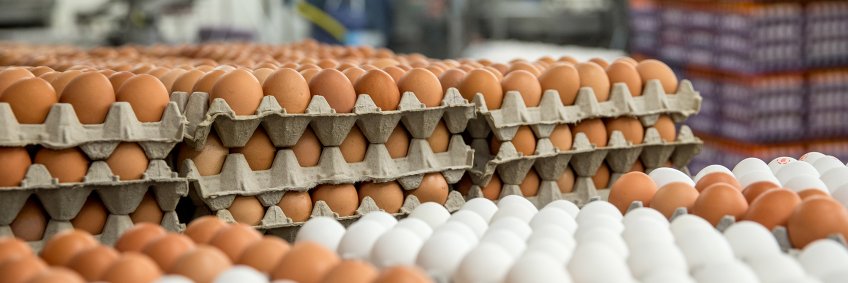
You need to keep something in mind if you're thinking of beginning a poultry farm to produce eggs. You must be well aware of your flocks' capacity for output. You must be knowledgeable about how to estimate the amount of eggs that your flocks can lay as well as the elements that determine the pace at which eggs are produced. You must distinguish between the chickens that are laying eggs and those who aren't. After you are fully informed, make sure you are ready to launch a profitable cattle enterprise.
Expected Egg Production
A hen only produces one egg every day, and sometimes she may not produce any at all. The reproductive system of the hen is wholly responsible. After laying the previous egg, a hen's body begins to produce a new egg. Given that each egg takes around 26 hours to mature entirely, a hen would theoretically lay its next egg two hours later than usual each day. Hens' reproductive systems are especially sensitive to light exposure. Therefore a hen will miss the next day if it lays an egg too late in the day.
Hens in a flock do not all begin to lay eggs on the same day. Moreover, they don't lay eggs for the same amount of time. A hen's egg production cycle differs from one hen to the next. Each year, there is a decline in egg output and an increase in egg size. A hen's annual egg production and the number of years she lays eggs rely on the following variables:
1.Management of pullets prior to lay
2.Breed
3.Light management
4.Space allowances
5.Nutrition


